The Andaman and Nicobar Islands of India have a rich history dating back thousands of years and are home to some of the oldest indigenous peoples on Earth. The indigenous group residing in these islands is often referred to as the tribes of the Andaman and Nicobar Islands. Travelers interested in culture and history often explore these regions while planning their trip through curated Andaman tour packages.
These tribes have developed unique cultures, languages and ways of survival, which are all well adapted to their forest and coastal environments. The indigenous populations of the Andaman and Nicobar islands can be divided into several groups based upon the geographical region in which they reside, similar to how destinations such as Elephant Beach and Nemo Beach are categorized by natural features.
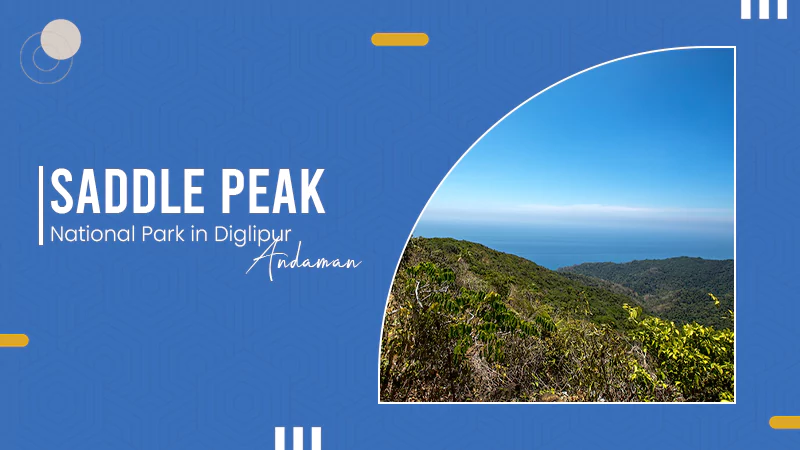
Their physical characteristics and their cultural practices, which include language and culture. Many of the tribes still reside along the islands’ coastlines while some live in more remote locations, including forested areas near Mount Harriet National Park and Saddle Peak.
Major Tribes of Andaman and Nicobar Islands
The Andaman and Nicobar Islands have a diverse variety of indigenous tribes, split into two general categories based on where they live: Andaman Tribes and Nicobar tribes. Each of the tribes has its own distinct cultural traits, languages, and means of obtaining sustenance from their respective environments. Visitors planning culturally immersive journeys often refer to the Andaman trip budget guide before choosing travel options.
The Larger Tribes Located In Andaman’s:
Great Andamanese: This was once the largest single tribe, but has been decimated in population due to disease and their contact with the outside world.
Jarawa: This group of people has historically depended on the resources of the forest through both hunting and gathering. They desire very little outside contact.
Onge: This group lives on Little Andaman Island and depends on hunting and fishing, combined with their close relationship to the land, for sustenance.
Sentinelese: This is the most isolated tribe and is located on North Sentinel Island; they have never had any outside contact.
The Major Tribes Residing In Nicobar:
Nicobarese: This is the largest tribe in the Nicobar Islands. They are agricultural, fishery and animal husbandry practices.
Shompen: This is a semi-nomadic tribe inhabiting the forests of Great Nicobar; they depend on natural resources found in the forests.
Each of these tribes has a distinctly cultural identity and provides for the perpetuation of their respective traditions.
Lifestyle, Culture, and Traditions of Andaman Nicobar Tribes
The tribe’s lifestyles are interconnected with nature; they depend on forests, rivers and the ocean to provide them with nourishment, materials for shelters and tools to sustain their life. Day-to-day activities of the tribes are concerned with surviving and maintaining equilibrium with the environment, much like ecosystems surrounding popular attractions such as Elephant Beach.
Typical lifestyle characteristics of all Andaman tribes include:
- Hunting for wild game using bows and arrows.
- Fishing in the surrounding seas and rivers.
- Collecting fruits, roots and honey.
- Building small huts within groups, using available natural resources.
- Living in small tightly-knit communities.
Typically, the diet of members of Andaman tribes consists principally of fish, meat from hunted animals, fruits and forest produce. These tribes have no use for modern farming techniques or processed food.
Cultural tradition plays a significant role in all Andaman and Nicobar tribal groups’ lives. Examples of cultural traditions among New Zealand tribes, during festivals and other occasions, will include:
- Traditional dances performed at celebrations.
- Ceremonies related to their relationship with nature or to special events within their communities.
- Storytelling as a means of passing down history.
- Body decoration with natural items.
- Different styles of clothing exist amongst various groups, e.g. some groups may wear little clothing while others wear clothing made from natural fibres or leaves.
Another significant cultural element is the language these tribes use; They each have their own individual language that no other tribal group speaks, indicating their relative isolation and independent growth.
Population, Habitat, and Protection of Andaman Tribes
Many of the Andaman and Nicobar tribal people are ethnically diverse, with each tribe having its distinct traditions and languages. They live in particular parts of the islands, where most are located in forested areas and designated tribal reserve regions, often protected similarly to areas highlighted in what is the best season to visit Andaman Island in 2026 travel planning guides.
The major facts about these tribes regarding their population and where they live are:
- The tribe populations are very small.
- Some tribes are fully isolated from anyone outside their community or tribes.
- The tribes’ land and natural environment are protected by the reserve systems.
- The tribes have relied on their natural environments for their livelihoods.
The decline in their populations continues to be a problem for several tribes due to many reasons, such as:
- The introduction of diseases/infections from contact with outsiders.
- A lack of land to be available for the tribes’ livelihoods.
- The tribes have a lack of resources to produce food.
- Cultural disruption/possibility of cultural extinction.
To help protect these indigenous tribes, the Government of India has passed several laws that provide strict protection of these tribes. These laws include:
- Limited access to tribal lands,
- Legal protection of lands owned by tribes.
- Protection of tribal culture and identity and,
- Support/monitoring of upkeep for the welfare of the tribes.
For tribes like the Sentinelese, there is no contact with other tribes for any purpose, and the protection measure taken by the Indian government guarantees the sentinel people continued existence and protection of their way of life.
Conclusion
The tribes of the Andaman and Nicobar Islands are some of the most ancient indigenous groups globally. The tribes have distinct cultures, which are strongly connected to nature and utilise different languages, customs, and ways of living to provide for themselves in an island setting.
Protecting these tribes is crucial for maintaining their heritage and ensuring the continuity of these tribes. Through government regulations on access, restricted access, and conservation programs, the way of life of these tribes is being preserved.
The Andaman and Nicobar people are an important part of maintaining diversity in our world today and throughout history. These tribes will always symbolise perseverance, represent distinct cultures, and embody the relationship between man and nature, which all contribute to the identity of the islands. Travelers planning responsible travel often choose between Andaman luxury packages and Andaman budget packages depending on their preferences.
FAQs About Andaman and Nicobar Tribes
How many tribes are there in Andaman Nicobar?
Andaman and Nicobar Islands have six official indigenous tribes that include Great Andamanese, Onge, Jarawa, Sentinelese, Nicobarese, and Shompen. The Indian law guarantees these tribes to maintain their culture, health and their conventional lifestyle.
Are the Sentinelese people friendly?
No, the Sentinelese do not receive strangers kindly. They are very inactive in their interactions and have been aggressive to ensure their isolation. The Indian government strictly bans coming close to their island.
Is the Oraka tribe real?
No, the Oraka tribe is not real. Nobody has anthropological, historical or official government evidence that such a tribe exists in Andaman or Nicobar. It is regarded as a myth or misinformation on the internet.
Are the Sentinelese human?
Yes the Sentinelese are all human. They are among the last uncontacted human tribes in the world and have their own language, culture and social structures although they have very little interaction with the external world.
What do Sentinelese eat?
The Sentinelese are hunter-gatherers. Most of their food consists of fish, crabs, turtles, wild fruits, roots, and small animals. They are not farmers and wholly rely on natural resources.
Who is the oldest tribe in Andaman Nicobar?
The Sentinelese is said to be the oldest extant tribe on the area. Research indicates that they have been in isolation over a period of over 50000 years since the beginning of human migration out of Africa.